paula’s story
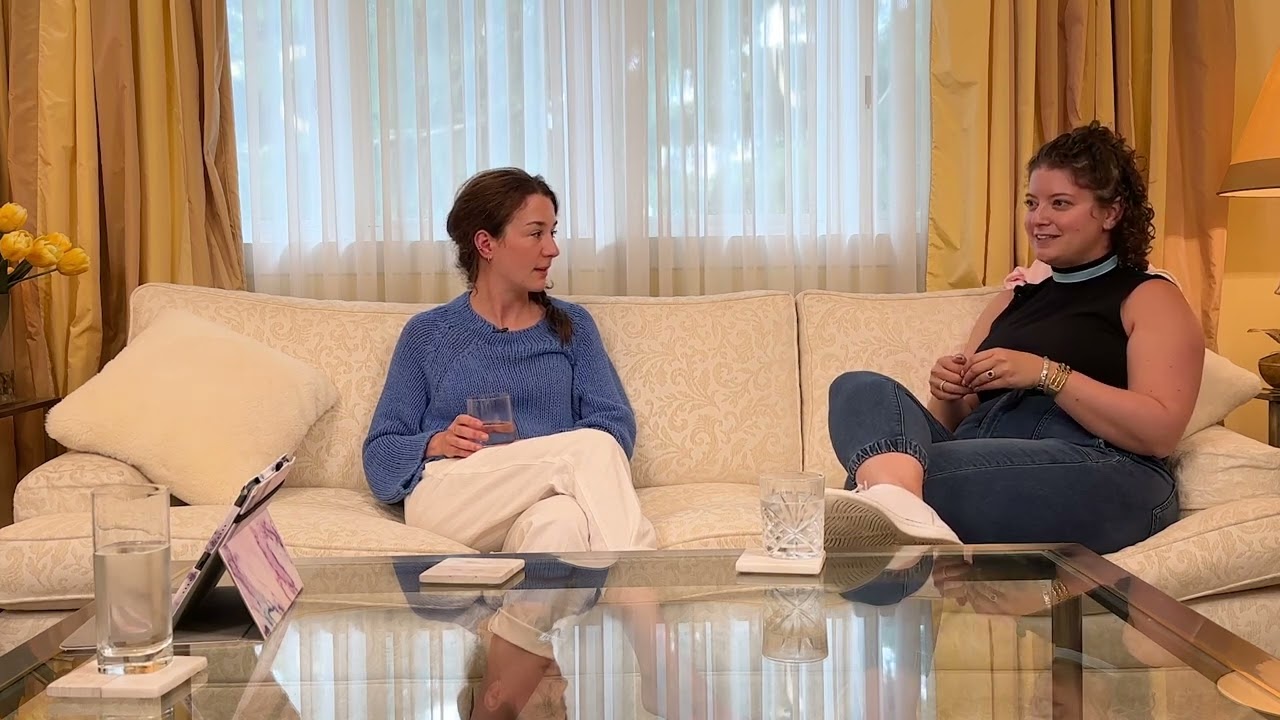
As you probably noticed, I couldn’t contribute a whole lot to our “Feeling and Mourning a Miscarriage” podcast, as admittedly, this experience has never happened to me. That episode is categorically one of our more vulnerable ones, as Alix and Vanessa share the events and emotions tied to their miscarriages. Since they now have multiple children, I have asked them to allow us in on how and when they felt ready to continue growing their families after their losses. To be perfectly transparent, this conversation veered slightly off track, but then again, the best conversations do. Hence the title of “Rainbow Baby + One?”. Although my kids don’t share the term Rainbow Baby, I can relate to the ongoing feeling of tug-of-war, whether to continue growing my family.
vanessa’s story
Vanessa reminds us that she did not feel the emotions that she expected to feel when she had her miscarriage. Having said that, she admits that she felt ready to try again quickly after the event. She mentions that her doctor had told her that women are typically quite fertile after having experienced a miscarriage, and as she was given this advice, that signalled to her that there was no better time than the present!
“i made a very detached decision to try again…”
However, Vanessa needed to take a beat when her cycle returned for the first time after her miscarriage. Despite the advice that was given to her, she still felt like she needed to hit the pause button. On her next cycle, she and Chris pressed play again and watched the start of a new feature come to life: their second daughter, Alice. Vanessa shares a significant truth: whatever mourning she would have felt from her miscarriage never materialized and was cut short as her happiness from her new pregnancy took over. She characterizes her second pregnancy as being in a constant state of vigilance, being hyper-aware of her body and looking out for any sign of miscarriage. Deep down, she felt like she couldn’t really claim success until she had confirmation of a viable pregnancy, but that didn’t stop her from feeling hopeful and grateful to have been able to conceive again.
“the peeing on the stick and seeing the lines or the + is just not going to cut it…”
Vanessa said that compared to her first pregnancy, pre-miscarriage, she experienced a different scenario. In hinesight, she realizes that her miscarriage scarred her after she gave birth to Alice because at around week eight or nine, she experienced spotting. She quickly called her husband and doctor to inform them of the situation. Her doctor somewhat reassured her and explained that just because she was bleeding didn’t automatically mean the story was repeating itself. But, a trip to the emergency room was required, and an intra-vaginal ultrasound later made Vanessa hear the most magical sound her ears could hear: a heartbeat. The bleeding was never explained, but her relief was like a breath of crisp, fresh Rocky Mountain air. The learning, she says, is trying not to assume the worst and not jump to conclusions.
“having had a miscarriage makes you assume the worst…”
Needless to say, Vanessa gave birth to a healthy baby girl, Alice and as soon as Alix mentioned that she felt her family was complete with three kids, Vanessa got triggered and asked when and how she knew. Although Vanessa has two incredible girls, she explains that she and Chris still haven’t closed the door on having a third, hence the tug-of-war feeling that we play in our minds on whether or not we should shut that door.
alix’s story
Alix knew that she wanted to get pregnant again after miscarrying but also needed to take time to mourn the life of her unborn child. She explains that she had two immense feelings at the same time, which were still thinking and mourning her baby AND feeling excited and hopeful to conceive again. As we are told, two things can be true.
Alix entirely relates to Vanessa in that constant feeling of apprehension when getting pregnant again, especially since she has already been stung once before. She also added that she was a little bit older when she got pregnant again and knew more people in her circle who had experienced a loss at different times during their pregnancy. That meant for Alix that even after she passed the eight-week mark from when she miscarried, she felt it could happen again at any given time. This constant feeling of being on high alert was exhausting, and adding deep COVID into the mix, Alix felt stressed and alone. She can admit she was confident the first time she got pregnant, but after her miscarriage, she says she was never really satisfied because she never really knew. Alix went on to have a baby girl, and when she was considering the name, she wanted to name her Iris, which means Rainbow, thinking it would be such a lovely tribute to the fact that she is a rainbow baby.
“i didn’t feel like it was her responsibility to BEAR the weight of the miscarriage that happened before her…”
That wasn’t the name she chose, as her daughter would be her own individual, and she had nothing to do with Alix's previous loss. It was connecting something that wasn’t connected.
“i feel like we’re full. the feeling that our family is full, i feel that.”
The moment Alix shared the feeling of being complete was when we veered off-topic a little but still wholly relevant to our conversation. Alix shares that she always knew she wanted three kids. She always felt that three was a team, and when things go sideways in life, her child will have more than one other person to take on the brunt of life, and that comforts her.
At this point, Vanessa and I are asking Alix all the questions about going from two to three kids, the challenges, the logistics, and the chaos. As calm and collected as Alix is, she shares that going from having no children to having one child was manageable because it was two parents for one child, although everything is new. Going from one to two children was hard because you constantly have one and sometimes two at the same time, but things get different going from two to three. While she has to go backward into the routine of the newborn stages, she is simultaneously still learning about all the milestones her eldest is hitting and what that is going to look like, not to mention the attention that she has to divide into three.
“it was really important to sit down and think, what will it (having three kids) look like…”
Although a rainbow baby was the topic of this discussion, we quickly wanted to know what it would look like to potentially grow our families and one more to the mix. I speak for three of us when I say we felt a little fuller, for lack of a better word, after we had this heart-to-heart.